
The Evolution of Porsche 911
Get ready to take a trip down memory lane as we explore the evolution of the iconic Porsche 911. From its inception in 1963 to the latest models of today, each generation of the Porsche 911 has brought new features, improvements, and innovations to the table. Join us as we delve into the key features, changes, and popular models of each generation, from the first to the sixth. Whether you’re a die-hard Porsche enthusiast or just a casual fan, there’s something for everyone in this comprehensive look at the evolution of the Porsche 911.
Summary
- The Porsche 911 has been through six generations, each with its own unique features and improvements.
- The second and fourth generations saw significant changes, with the latter introducing the most powerful models yet.
- Technological advancements and special edition models were a key focus in the fifth and sixth generations of the Porsche 911.
- The rise of independent Porsche Specialists aids the maintenance of models through the ages.
The evolution of the Porsche 911 represents a fascinating journey through automotive history, with the 911 range spanning multiple generations and encompassing various models, all of which have contributed to its iconic status. From its inception, the Porsche 911 has been known for its distinctive flat-six engine configuration and outstanding engineering, continually evolving through advancements in transmission and other technologies.
The First Generation (1963-1973)
The first generation of the Porsche 911, spanning from 1963 to 1973, laid the foundation for what would become one of the most enduring and beloved sports cars in automotive history.
The iconic design of the Porsche 911 Carrera is characterised by its unmistakable silhouette, featuring a rear-engine layout that aids in its exceptional handling and performance capabilities. The introduction of The Carrera variant elevated the model to new heights, enhancing both its visual appeal and on-road prowess. One of the standout features of the Carrera is its flat-six engine, which delivers a distinctive growl and impressive power output, propelling the car from 0 to 60 mph in mere seconds. The inclusion of a manual gearbox in the Carrera adds to the overall driving experience, allowing enthusiasts to fully engage with the road and feel connected to the vehicle’s rich racing heritage.
This combination of design, performance, and engineering excellence has solidified the Porsche 911 Carrera as a timeless masterpiece within the automotive industry.

What Was the First Porsche 911 Model?
The first Porsche 911 model, initially known as the Porsche 901, was introduced in 1963 and quickly rebranded as the 911 Carrera due to a trademark dispute with Peugeot.
Despite the name change, the reception of the Porsche 911 Carrera was overwhelmingly positive, setting the stage for its future success. Enthusiasts and critics alike praised its sleek design, powerful performance, and superior handling. This iconic model marked a significant shift for Porsche, solidifying their reputation as a premier sports car manufacturer.
Through meticulous engineering and innovative design, the Porsche 911 Carrera quickly became a symbol of automotive excellence. Its unique rear-engine layout and distinctive silhouette made it stand out amidst its competitors, adding to its allure and charm.
What Were the Key Features of the First Generation Porsche 911?
The key features of the first generation Porsche 911 included its iconic flat-six engine and the availability of a manual gearbox, which set the standard for performance and driving dynamics.
One of the standout technical aspects of the first-gen 911 was its air-cooled, rear-mounted 2.0-litre flat-six engine, which not only provided a distinctive sound but also offered a lower centre of gravity for enhanced handling.
In terms of transmission options, drivers had the choice between a 4-speed manual or a sportomatic semi-automatic gearbox, providing versatility to cater to different driving preferences.
The unmistakable design philosophy of the Porsche 911 showcased a timeless silhouette, with its sloping roofline and wide rear fenders, emphasising both aesthetics and aerodynamics.
The Second Generation (1974-1989)
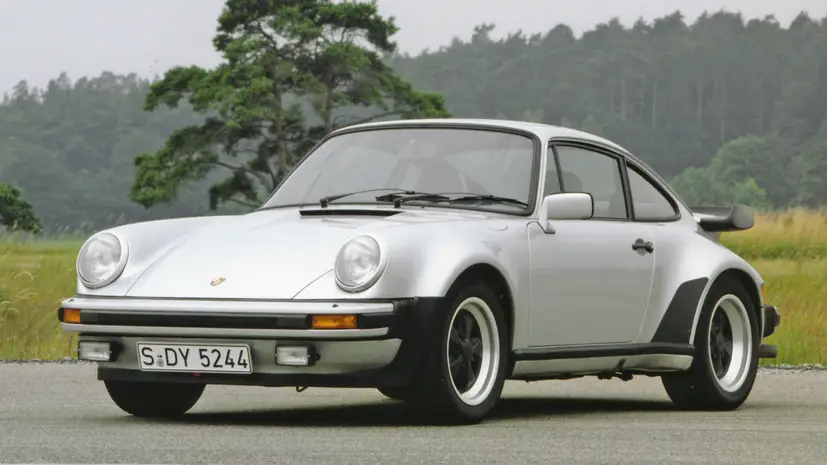
The second generation of the Porsche 911, often referred to as the G-series, marked a period of significant innovation and development, with the introduction of new engine options and the incorporation of turbocharging technology that led to the legendary 911 Turbo model.
One of the major changes in the second generation, particularly within the G-series, was the emphasis on aerodynamics and handling, resulting in improved performance and driving dynamics. Advancements in engine technology introduced fuel injection systems, enhancing fuel efficiency and engine responsiveness.
The implementation of turbocharging in the Porsche 911 Turbo model revolutionised the automotive industry, setting new standards for power and speed. This innovation not only boosted performance but also paved the way for future sports car designs incorporating turbocharged engines.
What Changes Were Made in the Second Generation Porsche 911?
The second generation Porsche 911 saw the implementation of the G-series, which featured improved engine performance, the introduction of a turbocharger, and significant advancements in safety and emissions standards.
These technical enhancements greatly boosted the power output of the 911, resulting in improved acceleration and top speed capabilities. The addition of the turbocharger not only increased power but also enhanced the overall driving experience by providing quick bursts of acceleration.
The evolution of the 911 Turbo during this generation marked a significant milestone in Porsche’s performance lineup. The 911 Turbo became synonymous with speed and precision, setting the benchmark for high-performance sports cars in its class.
What Were the Most Popular Models of the Second Generation Porsche 911?
Among the most popular models of the second generation Porsche 911 were the 911 Carrera and the 911 Turbo, both of which garnered significant acclaim for their performance and innovation.
Known for their iconic design, the 911 Carrera was praised for its balanced driving dynamics and everyday usability, making it a top choice for sports car enthusiasts who appreciated both speed and comfort. On the other hand, the 911 Turbo showcased cutting-edge turbocharging technology, delivering unmatched power and acceleration.
These models not only pushed the boundaries of high-performance sports cars but also contributed significantly to Porsche’s reputation as a manufacturer of precision-engineered vehicles. Their success in the market solidified Porsche’s position as a leading brand in the automotive world, setting the benchmark for competitors to strive towards.
The Third Generation (1990-1994)
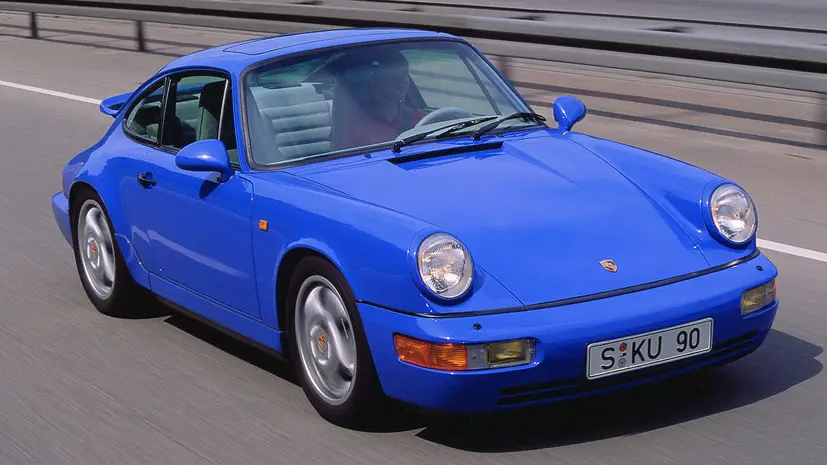
The third generation of the Porsche 911, introduced in 1990 and known as the 964, brought with it several significant improvements, including the addition of an all-wheel drive system, making it one of the most technically advanced 911 models of its time.
With the introduction of all-wheel drive technology, the 964 model marked a pivotal moment in Porsche’s engineering prowess. This innovative system not only enhanced the car’s traction and handling capabilities, especially in challenging road conditions, but also elevated the driving experience to a new level of performance and stability.
The 964 boasted enhanced engine performance, thanks to advancements in the air-cooled flat-six engine, which delivered both increased power output and improved fuel efficiency.
Other noteworthy improvements in the third generation included upgraded suspension systems, aerodynamic enhancements, and a more refined interior, all contributing to the 964’s reputation as a standout model in the Porsche 911 lineup.
What Were the Major Improvements in the Third Generation Porsche 911?
The third generation Porsche 911, identified by the 964 designation, saw major improvements such as a more powerful engine, the introduction of an all-wheel drive system, and a redesigned suspension for better handling.
The enhanced engine technology in the third generation Porsche 911 featured advanced fuel injection systems and improved engine management, resulting in increased horsepower and torque output.
The incorporation of the all-wheel drive system in the 964 model provided superior traction and stability, especially in challenging road conditions, enhancing both performance and safety.
Along with these improvements, the redesigned suspension of the 964 offered a more responsive and agile driving experience, allowing for better cornering capabilities and overall control.
What Were the Special Edition Models of the Third Generation Porsche 911?
The third generation Porsche 911, or 964, included several notable special edition models such as the 911 Carrera RS and the 911 Turbo S, which featured exclusive performance upgrades and design enhancements.
One of the standout features of the special edition models was their advanced engineering modifications, crafted to elevate the driving experience to new heights.
The 911 Carrera RS stood out with its lightweight construction and track-focused attributes, making it a favourite among driving purists seeking agility and precision on the road.
On the other hand, the 911 Turbo S impressed enthusiasts with its enhanced power output, offering blistering acceleration and top speeds that set it apart from the standard models.
The Fourth Generation (1995-1998)
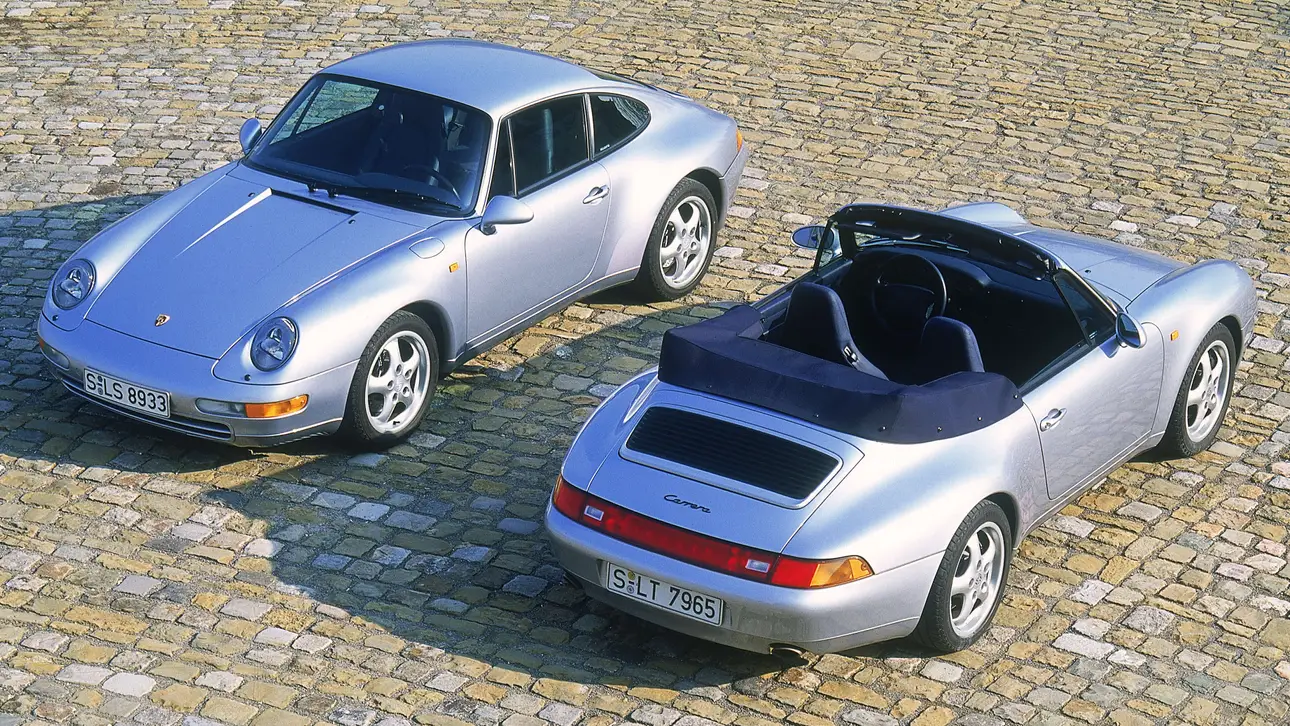
The fourth generation of the Porsche 911, known as the 993, is often regarded as one of the most significant updates in the 911’s history, featuring a comprehensive mid-life facelift that included aesthetic improvements, engine upgrades, and the introduction of an advanced all-wheel drive system.
The 993 model saw advancements in its air-cooled flat-six engine, offering increased power and efficiency for an exhilarating driving experience. Along with performance enhancements, the 993 boasted a more refined interior, showcasing Porsche’s commitment to luxury and comfort.
Engineers also fine-tuned the chassis for improved handling and responsiveness, making the 993 a well-rounded sports car suitable for both daily driving and spirited track sessions. The integration of innovative all-wheel drive technology in the 993 further elevated its performance capabilities, providing enhanced traction and stability in various driving conditions. These updates solidified the 993’s reputation as a true driver’s car that excelled in both performance and comfort.
What Were the Key Changes in the Fourth Generation Porsche 911?
The fourth generation Porsche 911, known as the 993, introduced significant changes, including a mid-life facelift that modernised its design, engine enhancements for better performance, and an all-wheel drive system that improved handling and stability.
The Porsche 993 marked a turning point in the evolution of the iconic sports car. The introduction of the facelift brought a sleeker and more contemporary look to the 911 lineup, appealing to a broader range of enthusiasts. Engine improvements in the 993 included enhancements to both power output and fuel efficiency, enhancing the overall driving experience.
Notably, the all-wheel drive system in the 993 offered superior traction, especially in challenging road conditions, allowing drivers to push the boundaries of performance with confidence and precision. This innovation further solidified Porsche’s reputation for producing high-performance vehicles that were not only exhilarating to drive but also incredibly capable in various driving scenarios.
What Were the Most Powerful Models of the Fourth Generation Porsche 911?
The most powerful models of the fourth generation Porsche 911 included the 993 Turbo and the 911 Carrera RS, both of which were celebrated for their enhanced engine performance and cutting-edge technology.
The 993 Turbo was equipped with a potent 3.6-litre twin-turbocharged flat-six engine that produced an impressive 400 horsepower, propelling it from 0 to 60 mph in just over 4 seconds.
On the other hand, the 911 Carrera RS boasted a high-revving 3.8-litre naturally aspirated engine, delivering exhilarating performance on the road or track.
What set these models apart were their advanced technological features, such as an upgraded suspension system, improved aerodynamics, and enhanced driving dynamics that made them icons of their era.
The Fifth Generation (1999-2012)
The fifth generation of the Porsche 911, encompassing the 996 and 997 models, represented a period of significant technological advancements, including the introduction of hybrid technology, improved engine performance, and modern transmission systems, which further solidified the 911’s position as a leader in the sports car market.
One of the key innovations of the 996 model was the move from air-cooled to water-cooled engines, marking a shift towards enhanced performance and efficiency. This transition brought about a notable increase in power output and allowed for more precise engine management.
The 997 model continued this trajectory of improvement by introducing the Porsche Doppelkupplung (PDK) dual-clutch transmission, enhancing gear shifts and overall driving experience. Advancements in aerodynamics and lightweight materials further optimised the 997’s performance capabilities, making it a favorite among enthusiasts.

What Were the Technological Advancements in the Fifth Generation Porsche 911?
The fifth generation Porsche 911 saw several technological advancements, including the adoption of hybrid technology, enhanced engine performance, and the introduction of modern transmission systems in the 996 and 997 models.
These advancements revolutionised the performance and efficiency of the iconic sports car. The incorporation of hybrid technology not only boosted power output but also improved fuel efficiency, aligning with the industry’s shift towards sustainability. The engine enhancements in the 996 and 997 models delivered increased horsepower and torque, resulting in exhilarating driving experiences. The modern transmission systems brought smoother gear shifts and quicker response times, enhancing the overall driving dynamics of the Porsche 911 series.
What Were the Special Edition Models of the Fifth Generation Porsche 911?
The fifth generation Porsche 911 included several special edition models, such as the 911 Sport Classic and the 911 Speedster, which featured unique design elements and performance enhancements.
These special edition variants of the Porsche 911 were celebrated among enthusiasts for their exquisite craftsmanship and limited production runs, making them highly coveted in the automotive world.
911 Sport Classic was renowned for its retro-inspired styling cues, including the iconic ‘ducktail’ spoiler and Fuchs-style alloy wheels, paying homage to the classic 911 models of the past.
On the other hand, the 911 Speedster captured hearts with its sleek and aerodynamic silhouette, blending elegance with a sporty edge.
Its distinctive double-bubble tonneau cover, shortened windshield, and convertible top gave it a distinctively unique appearance.
Performance-wise, these special editions were not just about looks. They were equipped with enhanced engines, tuning, and suspension setups, providing an exhilarating driving experience that truly set them apart from the standard models. The blend of heritage design elements and cutting-edge performance made these special editions true collector’s items.
The Sixth Generation (2013-2019)
The sixth generation of the Porsche 911, marked by the 991 model, featured significant updates in design and performance, including a mid-life facelifted version that introduced a more powerful engine and the widespread use of turbochargers across various 911 models.
One of the key highlights of the 991 model was the revised design, showcasing sleeker lines and a more aerodynamic profile, enhancing both the visual appeal and performance efficiency of the iconic sports car. The introduction of turbocharging technology in the 991 generation marked a significant shift, offering improved power delivery and responsiveness. This innovation not only enhanced the driving experience but also contributed to better fuel efficiency and reduced emissions.
What Were the Major Changes in the Sixth Generation Porsche 911?
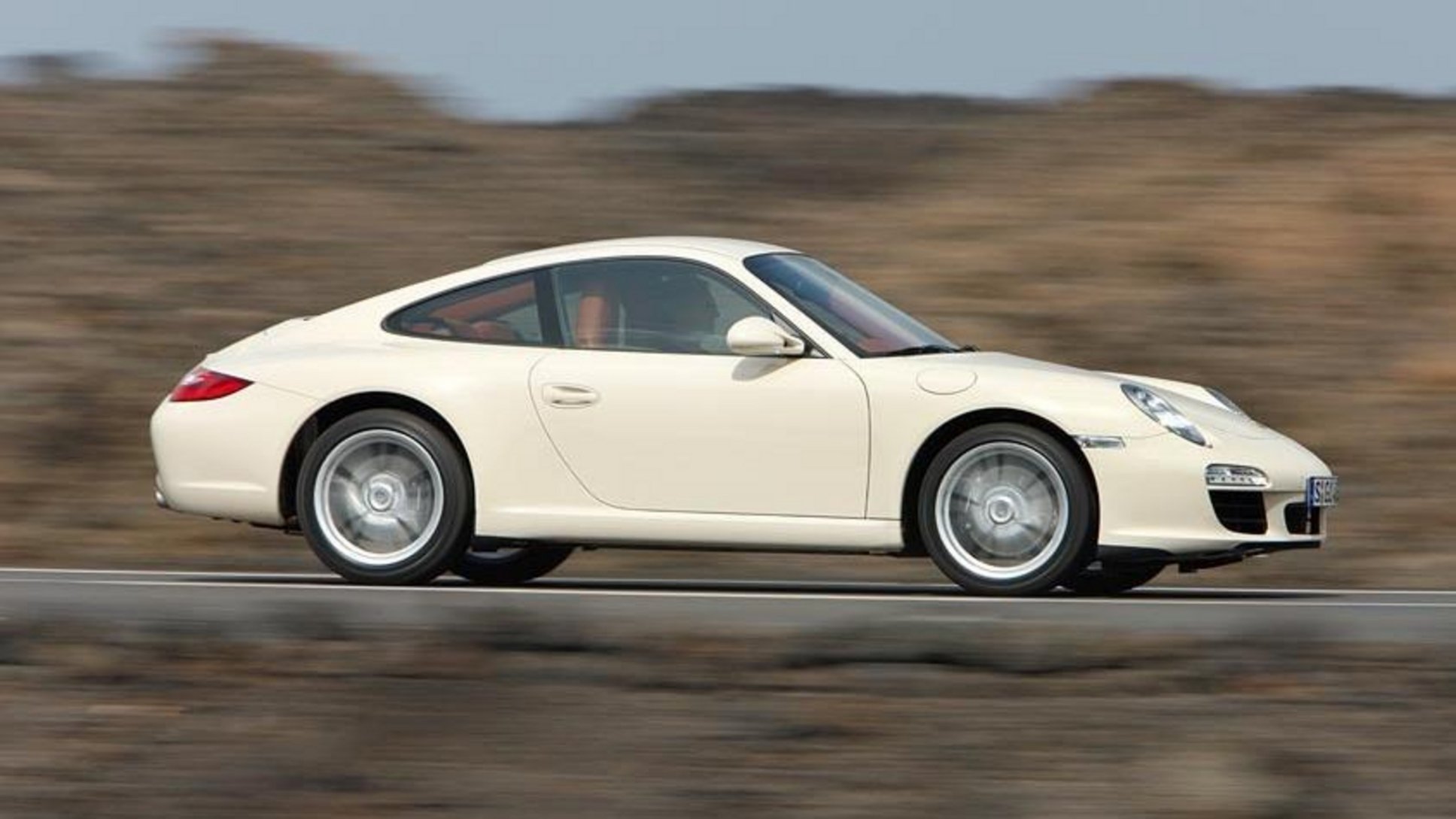
The sixth generation Porsche 911, represented by the 991 model, introduced major changes such as a mid-life facelift, more powerful engine options, and the inclusion of turbochargers across the 911 range.
One of the most noticeable updates in the 991 model was the redesign of the front and rear fascias, giving the iconic sports car a more aggressive and modern look. The facelift also included the introduction of sleeker LED headlights and taillights, enhancing both the aesthetics and functionality of the vehicle.
The engine performance saw significant improvements in the sixth generation. Porsche enthusiasts were delighted with the increased power output from the various engine options that were now available, providing a thrilling driving experience on both the road and the track.
What Were the Most Popular Models of the Sixth Generation Porsche 911?
Among the most popular models of the sixth generation Porsche 911 were the 911 Turbo S and the 911 GT3 RS, both of which were praised for their exceptional engine performance and cutting-edge technology.
The 911 Turbo S stood out for its impressive 3.8-litre twin-turbocharged flat-six engine, delivering a staggering 580 horsepower and 516 lb-ft of torque. This powerhouse could achieve a top speed of over 200 mph and sprint from 0 to 60 mph in just 2.9 seconds.
On the other hand, the 911 GT3 RS embraced a naturally aspirated 4.0-litre flat-six engine, generating 500 horsepower and 339 lb-ft of torque. This track-focused model boasted lightning-fast acceleration, reaching 0 to 60 mph in around 3 seconds.
Both models featured state-of-the-art technological advancements such as active aerodynamics, advanced driver assistance systems, and precise handling characteristics, cementing their positions as iconic performance vehicles in the Porsche lineup.